In many laboratories, these activities are still managed using traditional tools such as paper forms, Excel files or partially manual procedures. These are often well-established solutions, but they can become complex when the number of samples, tasting sessions, judges involved and traceability requirements increase.
For this reason, Smart Sensory Solutions has launched a campaign dedicated to official olive oil panels, with the aim of presenting a digital solution designed to support sensory analysis activities in a simple, immediate and structured way.
Digitalising olive oil panel testing
Digitalisation does not replace the work of the panel; rather, it makes it more organised, efficient and controllable.
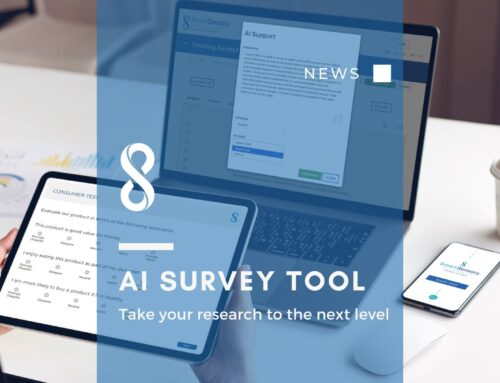
With Smart Sensory Solutions, panel activities can be managed within a digital environment, reducing the need for paper documents and manual files. Sessions can be quickly configured on the platform, judges can enter their evaluations directly, and data are collected in a structured way.
This gives the panel leader and the laboratory greater control over the workflow, from session preparation to result analysis and the monitoring of panel judge performance and agreement levels.
Real-time data collection
One of the main advantages of the platform is the ability to collect data in real time.
During tasting sessions, the evaluations entered by the judges are acquired directly by the system, avoiding intermediate steps, manual transcription and subsequent data consolidation activities.
This helps reduce the risk of errors, speed up the availability of results, simplify session control and improve the traceability of evaluations.
As the olive oil campaign approaches and the workload for panels increases, being able to quickly access organised data represents a significant operational advantage.
Usability and immediate application
Smart Sensory Solutions has been developed with a strong focus on usability. The aim is not to introduce a complex tool, but to provide laboratories with a practical platform that can be used by panel leaders and judges.
The interface is designed to guide users through the different stages of the test: session configuration, response collection, data organisation and result analysis.
The platform includes specific modules for olive oil (COI) and can also be configured to support further analyses based on descriptive methods, useful, for example, for the characterisation and profiling of olive oil, adapting to the operational needs of different laboratories.
The application is immediate: the panel can evaluate the platform during real sessions, using samples, judges and data directly related to its own activities.
A trial version for the 2026–27 olive oil campaign
For interested panels, Smart Sensory Solutions offers the possibility of using a trial version already during the 2026–27 olive oil campaign.
This is an opportunity to test the platform during a real and particularly significant operational period, assessing its usefulness in managing tasting sessions, collecting data and producing results.
The trial period allows laboratories to evaluate the software directly in the field, with the support of the Smart Sensory Solutions team and with a configuration tailored to the specific needs of the panel.
A solution already adopted by institutional laboratories
Smart Sensory Solutions already works with Italian institutional laboratories, including laboratories of the Customs and Monopolies Agency, several universities and research centres, as well as companies in the olive oil sector.
The timing of the campaign is also linked to the operational and administrative calendar of laboratories. The period before the olive oil campaign is, in fact, the ideal time to evaluate new digital tools, before the increase in activities related to the collection, classification and control of oils.
Book a presentation call
Interested panels and laboratories can request a demo call to learn more about how the platform works and evaluate how Smart Sensory Solutions can be applied to their olive oil sensory analysis activities.
During the call, it will be possible to see the software workflow, explore data collection methods, evaluate configuration options and learn more about the conditions planned for the trial period.